


Endoscopic lift
of the upper face
An endoscopic upper face lift is a minimally invasive surgical technique that helps correct age-related changes in the forehead, brows and temples. The surgery is not aimed at harshly pulling the skin but at carefully moving the tissues into a more natural position.
This approach helps make the look more open, reduce wrinkles on the forehead and between the brows, lift the outer parts of the brows and remove the tired look. The technique suits patients who want noticeable but subtle rejuvenation without obvious signs of surgery.
At Dr. Rauf Yusifzade's clinic in Moscow the surgery is planned individually. At the consultation the surgeon assesses the position of the brows, the skin condition, facial muscle activity, and the structure of the forehead and temples. This makes it possible to choose the extent of correction without unnecessary intervention and to preserve natural features.
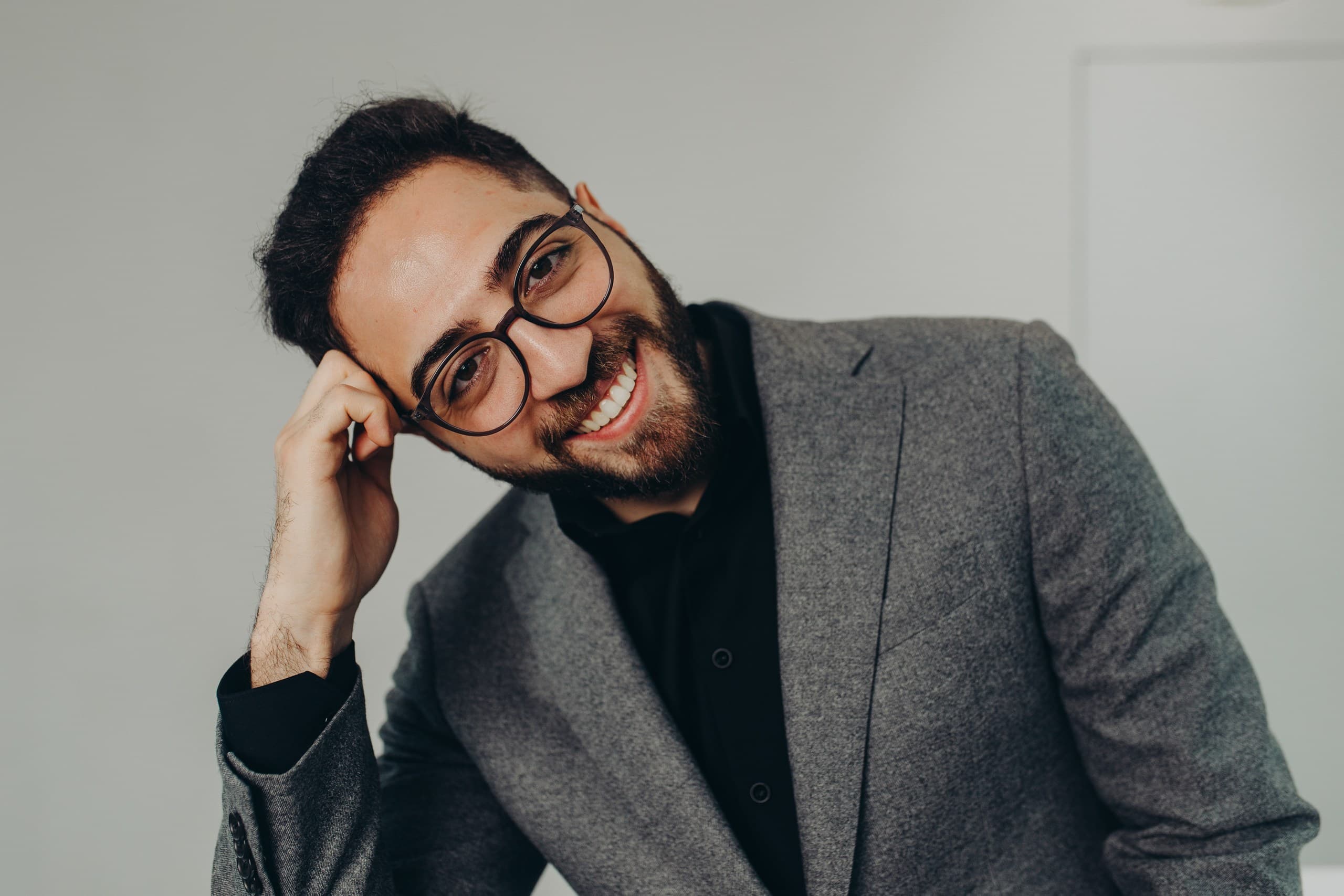
What is an endoscopic lift
of the upper face
This is surgical correction of the area that is among the first to show age-related changes. The upper face includes the forehead, brows, temples and the area of the outer corners of the eyes. When the tissues descend, the look becomes heavy, the brows droop and the forehead looks tense even at rest.
An endoscopic upper face lift is performed through small access points that are usually placed in the scalp. Through them the surgeon inserts a camera and special instruments. The image is shown magnified on a screen, so the doctor sees the tissues, vessels and important anatomical structures while working.
The main goal of the surgery is not to change your appearance but to return the tissues to a more harmonious position. After the correction the face looks fresher, but without an "overdone" effect. This result is especially important for patients who want to look younger without losing their individuality.
How an endoscopic upper face lift
differs from a classic lift
The main difference is the access and the degree of trauma. Classic techniques may use longer incisions. With the endoscopic technique the surgeon works through small access points hidden in the scalp.
Endoscopic control shows the working area magnified on a screen. This helps the surgeon work with the tissues more precisely, avoid vessels and nerves more carefully, and fix the tissues in the right position.
Another important difference is the result. The goal of the surgery is not to pull the skin. Skilled correction returns the tissues to a more correct position, so the face looks natural. The patient looks fresher and younger, but not like "a different person".
Which areas an upper face lift corrects
During the surgery the surgeon works with several connected areas. That is why the result is perceived not as a local change but as an overall refresh of the upper face.
Forehead
Over time horizontal wrinkles, creases and a feeling of constant tension appear on the forehead. Sometimes a person looks frowning or tired even when relaxed. The correction helps soften these signs and make the upper face look calmer.
Brows
Drooping brows often create a heavy look. This is especially noticeable in the outer parts, when the "tails" of the brows gradually shift down. The lift helps return the brows to a more open and natural position.
Temples
The temple area affects the support of the outer corners of the eyes and the overall contour of the upper face. With age-related tissue descent the look may become sad or closed. Careful correction of this area helps make it softer and more expressive.
Outer corners of the eyes
When the tissues of the temples and brows descend, the outer corners of the eyes can also visually shift down. This makes the face look tired. The surgery helps improve the support of this area, but it does not replace blepharoplasty if there is significant excess eyelid skin.
Which problems
an endoscopic upper face lift solves
An endoscopic upper face lift suits patients whose age-related or anatomical changes are concentrated in the forehead, brows and temples. Most often patients come to the surgeon complaining of a heavy look, drooping brows, deep folds between the brows and pronounced forehead wrinkles.
The surgery can help if the upper eyelids look hooded not only because of excess skin but also because of low brows. In such cases simply removing eyelid skin does not always give the right result. First you need to understand where the problem comes from: the eyelid, the brow or a combination of factors.
The technique can also be relevant for brow asymmetry, drooping outer corners of the eyes, early age-related changes and congenital structural features. The surgeon makes the final decision on indications after an in-person consultation and examination.
Indications
for an upper face lift
An upper face lift may be recommended if the changes are concentrated in the forehead, brows and temples. Patients most often come when the look becomes heavier, the face looks tired and the expression lines can no longer be corrected with cosmetic methods.
The main indications:
- Drooping brows
- Low outer parts of the brows
- Pronounced horizontal forehead wrinkles
- A deep frown line between the brows
- Tissue hanging over the upper eyelids
- Drooping outer corners of the eyes
- Age-related changes in the temples
- A frowning or tired expression
- Brow asymmetry
- An anatomically heavy upper face
If the problem is only excess eyelid skin, upper blepharoplasty may be needed. If the hooding is made worse by drooping brows, the surgeon considers an upper face lift.
Who is a candidate
for the surgery
The surgery suits patients who want to correct the upper face without visible incisions or drastic changes in appearance. Patients most often come for this correction after 30-35, but age is not the main criterion. The condition of the tissues, the position of the brows, the depth of the wrinkles and individual anatomy matter much more.
The technique may be recommended for those for whom cosmetic procedures are no longer enough. Injections and device-based treatments can temporarily improve skin quality or reduce muscle activity, but they cannot fully return descended tissues to a new position.
Before planning the surgery it is important to consult a specialist. The doctor will determine whether an upper face lift is really needed or whether the problem is better solved with upper blepharoplasty, a cheek lift or another technique. This approach helps avoid unnecessary procedures and get a more precise result.
Contraindications
to surgery
Like any surgery, this technique is performed only after an examination. Before the surgery the doctor assesses not only the aesthetic indications but also the patient's general health.
Contraindications include:
- Acute infectious diseases
- Skin inflammation in the planned correction area
- Flare-ups of chronic diseases
- Blood clotting disorders
- Severe heart, liver or kidney diseases
- Decompensated diabetes
- Cancer
- Pregnancy and breastfeeding
- Contraindications to anesthesia
- Mental disorders that prevent a realistic assessment of the result
If there are temporary restrictions, the procedure is not cancelled forever but postponed until recovery. The patient's safety matters more than how quickly the surgery is done.
How an endoscopic lift
of the upper face is performed
The surgery is performed according to an individual plan. Before the procedure the surgeon determines which areas need correction: the forehead, brows, temples or outer corners of the eyes. The extent of the procedure depends on the anatomy, the degree of age-related changes and the desired result.
Preparing for surgery
Preparation begins with a consultation. The doctor assesses the position of the brows, the skin condition, symmetry, muscle activity and the structure of the upper face. The patient's expectations are also discussed: it is important to understand in advance which result will be natural and achievable.
Tests and examinations are ordered before the procedure. You usually need blood and urine tests, an ECG and a report from a general practitioner or other doctors if indicated. The anesthesiologist assesses whether the patient is ready for anesthesia.
A few days before the surgery the doctor may recommend avoiding alcohol, smoking, intense workouts and medications that affect blood clotting. All restrictions are discussed individually.
Stages of the surgery
The procedure is usually performed under general anesthesia. The surgeon makes small access points in the scalp, through which a camera and micro-instruments are inserted. This keeps the external traces hidden after healing.
Next, the tissues of the forehead, brows and temples are carefully separated, repositioned and fixed in a new position. If needed, the tension of the muscles that affect the folds on the forehead and between the brows is corrected.
After fixation the surgeon closes the access points with cosmetic stitches or another method chosen for the situation. The patient stays under the supervision of the medical team.
How long the surgery takes
On average the procedure takes about 1-2 hours. The exact length depends on the extent of correction, anatomical features and whether it is combined with other techniques.
If only the forehead and brows are corrected, the surgery is usually quicker. If work on the temples or a combination with eyelid correction is also needed, it may take longer.
Rehabilitation
after an upper face lift
Rehabilitation is usually smooth, but in the first days there may be swelling, bruising, moderate pain and a feeling of tightness. This is a normal tissue reaction to surgery.
The doctor may recommend a fixing dressing, sleeping on a high pillow and limiting physical activity. In the first weeks you should avoid bending your head down, baths, saunas, tanning beds, active sports and overheating.
Most patients return to their normal routine after about 10-14 days. The final result forms gradually: the tissues need to recover, the swelling needs to go down completely and the new position of the brows and forehead needs to become natural.
Following the doctor's recommendations directly affects the speed of recovery and the quality of the result. That is why post-operative check-ups are as important as the surgery itself.
The result of an endoscopic
upper face lift
After the surgery the upper face looks lighter and more harmonious. The look becomes more open, the brows sit in a more natural position, and the feeling of tiredness and tension is reduced.
Patients usually notice:
- A fresher appearance
- Fewer forehead wrinkles
- A softer frown line
- Lifted brows
- A more open look
- An improved area around the outer corners of the eyes
- A natural result without an overdone look
The effect lasts on average 7-10 years. The time depends on age, skin quality, lifestyle, heredity and following the recommendations after the procedure.
Can an upper face lift be combined with other operations
Sometimes an isolated correction of the forehead and brows is enough. But there are situations when age-related changes affect several areas at once. Then the doctor may suggest combining techniques. The decision is made not out of a wish to "do more" but based on indications: an unnecessary procedure does not improve the result, it only increases the load on the body.
With upper blepharoplasty
If there is excess skin on the eyelids, correcting the brows alone may not be enough. In this case an upper face lift is combined with upper blepharoplasty. This helps correct the eye area comprehensively: the brows sit in a more harmonious position, and the excess eyelid skin is removed separately. This approach is especially important when the hooding has two causes at once. More about correcting the eyelid itself: upper blepharoplasty.
With a cheek lift
If, in addition to the upper face, there are pronounced changes in the midface, the doctor may consider a cheek lift. But this is a different operation with a different focus: it works not with the forehead and brows but mainly with the midface. If needed, the doctor will explain which operation suits you. More about the midface: cheek lift.
With an endoscopic facelift
If the changes affect not only the forehead and brows but also other areas, a wider extent of endoscopic correction may be discussed. In this case it is no longer only about the upper face but about comprehensive rejuvenation. The decision is made individually after an examination. The main goal is to choose the minimum sufficient extent of surgery that will give a natural and stable result.
Before and after
photos
Before and after photos help assess not only the fact of rejuvenation but also the quality of the surgical correction. It is important to look at the position of the brows, the depth of forehead wrinkles, symmetry, the outer corners of the eyes and the overall character of the look.
When assessing the result, look not for a drastic change in appearance but for naturalness. A good operation should not make the facial features unfamiliar. Its goal is to restore freshness, remove tiredness and preserve the patient's individuality.
At the consultation the doctor can show examples of results and explain what is possible in your case.
Endoscopic upper face lift:
price in Moscow
The cost of an endoscopic upper face lift depends on the extent of correction, the complexity of the anatomy, the type of anesthesia, the length of the stay in the clinic and the need to combine it with other procedures.
The exact cost can only be determined after an in-person consultation. The doctor needs to assess the position of the brows, the skin condition, the depth of the wrinkles, symmetry and any medical restrictions.
In plastic surgery it is important to consider not only the cost but also the surgeon's experience, the safety of the clinic, the quality of anesthesia and post-operative care; relying on price figures alone is risky.
Endoscopic upper face lift
$4,900
SMAS lift of the lower face and neck
$6,300
For comparison: classic full facelift
$9,800
Facial fat grafting (one area)
from $700
Patient
reviews
Reviews help you understand the patient's journey, from the first consultation to recovery. Stories in which patients talk about changes in their look, the position of their brows, fewer forehead wrinkles and an overall feeling of freshness are especially valuable.
Looking up reviews of endoscopic upper face lifts is often driven not only by a wish to see the result but also by anxiety before surgery. Patients want to understand how noticeable the traces of the procedure are, how recovery goes and whether the result looks natural.
At the consultation you can discuss real examples with similar anatomy and age-related changes. This helps form calm and realistic expectations.
Why patients choose
Dr. Yusifzade
Dr. Rauf Yusifzade specializes in aesthetic facial surgery and works with patients who value a natural result. In the forehead and brow area it is especially important not to overdo it: too strong a correction can change the expression of the eyes and disrupt the harmony of the features.
The doctor's approach is built on individual planning. Before the procedure the anatomy, tissue condition, brow position, facial muscle activity and the patient's expectations are assessed. This helps choose the right approach and avoid template solutions.
The patient receives support at every stage, from the consultation and preparation to recovery after surgery. This is especially important in plastic surgery, where the result depends not only on technique but also on attentive patient care.